

Azure SQL Database
A managed database service suited to compatible application workloads. Assess a single database or elastic pool against isolation and demand, and verify feature differences before moving an existing SQL Server application.
 MICROSOFT AZURE & DATA
Modernize SQL Server workloads with a deployment model that fits your application. Tripearltech helps you compare Azure SQL Database, Azure SQL Managed Instance and SQL Server on Azure virtual machines, then plan compatibility, performance and recovery with care.
 View image at full size ↗
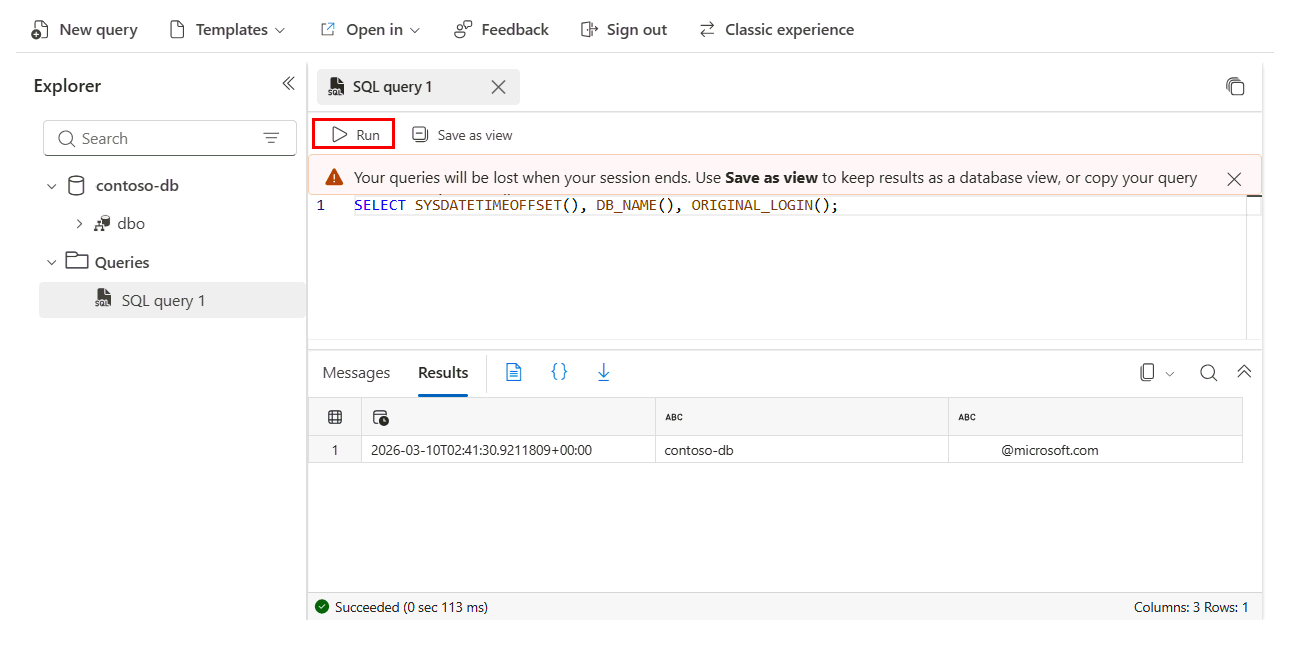
Azure SQL Database query editor with query results Shown capabilities depend on licensing and configuration.
Different businesses. Different ways of working. A shared need for technology that supports real operations.









The Azure SQL family offers different balances of platform management and control. We begin with the features your application uses, the interruption it can tolerate and the operational work your team is prepared to own.
A managed database service suited to compatible application workloads. Assess a single database or elastic pool against isolation and demand, and verify feature differences before moving an existing SQL Server application.
A managed instance option for workloads needing broader instance-level compatibility. Assess jobs, cross-database dependencies and networking carefully; a close fit still needs an application-specific compatibility review.
An infrastructure option when operating-system access and SQL Server control are important. The design must include the additional management, patching, backup and availability responsibilities that come with that control.
Compare supported compute and service-tier options using workload evidence. Serverless, provisioned resources and Hyperscale serve different needs; availability and behavior depend on the selected offering.
Investigate expensive queries, blocking, indexing and execution behavior. Establish a baseline before changing configuration so the business can distinguish a genuine improvement from a temporary change in demand.
Separate application, reporting and administrative access. Test the intended authentication and network model with actual clients, including integrations and support tools used during incidents.
Define retention and recovery objectives for the selected deployment. Test restore, reconnection and application validation; having a backup configured does not prove the complete business service can recover.
Assess supported redundancy and failover options against business needs. Include DNS, connection strings and dependent services in testing instead of measuring database failover in isolation.
Assign ownership for maintenance, monitoring and consumption. Review utilization and eligible licensing options before choosing commitments, while protecting headroom for important operating cycles.
Choose SQL Database for a suitable managed database workload, Managed Instance where instance compatibility matters, or SQL Server on Azure VMs where full control is required. None of these choices removes the need to validate application support, access, performance and recovery.
Microsoft reference ↗Connect Azure SQL to the applications your people rely on. Define the business handoff, data ownership and permissions before adding another integration.

Provide the identity, networking and application environment around SQL. Include these dependencies in implementation and acceptance.
Explore solution ↗
Use appropriate metrics and logs for investigation and actionable alerts. Agree who distinguishes a platform issue from a query or application problem.

Support relevant backup, file and data movement designs. Validate which storage options are supported by the selected SQL deployment.
Explore solution ↗
Assess supported data integration or replication approaches for analytics. Confirm current source support, freshness and operational impact.
Explore solution ↗
Build reporting through a suitable connection and semantic model. Separate validated business measures from operational database structure.
Explore solution ↗
Support discovery and assessment where applicable to the source environment. The migration method must still fit the specific SQL source and target.
Explore solution ↗A successful SQL migration preserves business behavior, not just tables. We include application owners, integration teams and reporting users so compatibility checks reflect how the database is actually used.
Read the Microsoft reference ↗Tripearltech provides Azure SQL consulting, implementation and support from Ahmedabad, India, for businesses worldwide. Each engagement starts with your operating needs and a clear division of responsibility.
Inventory databases, engine versions, features, jobs and external dependencies. Identify target limitations and required application changes before scheduling a move.
Compare deployment models and estimate demand from workload evidence. Document availability, network and cost assumptions for the proposed configuration.
Select an appropriate transfer approach and rehearse with representative data. Agree final synchronization, business checks and the conditions for pausing or reversing the transition.
Investigate query and resource evidence, prioritize changes and compare results. Coordinate database changes with the application team rather than treating tuning as an isolated exercise.
Implement agreed access, backup and recovery settings. Test restricted access and realistic restore scenarios with the people responsible for operation.
Define the included environments and recurring tasks. Agree monitoring, maintenance, escalation, recovery testing and the boundary between defects and new development.
The value of Azure SQL depends on the process it improves. Explore common industry needs and the implementation decisions that help the solution fit.
A vendor application depends on SQL Server features that may not suit every managed target.
Review the vendor’s support position and actual feature usage. Compare compatibility and control before choosing a deployment, then rehearse production-relevant transactions.
Order processing slows while batch jobs and reports run together.
Investigate workload timing, locking and query demand. Separate competing activities where appropriate and validate performance during realistic peak processing.
Several application databases need predictable administration and recovery.
Compare isolation and resource-sharing requirements before standardizing the estate. Define maintenance and recovery evidence for each business-critical application.
Variable traffic makes capacity planning difficult.
Test workload peaks and supported scaling choices. Validate response times and spending assumptions with realistic demand rather than sizing from average utilization alone.
Multiple customer databases create uneven resource consumption.
Assess elastic pools or other suitable designs against tenant isolation and demand. Document noisy-neighbor risks, access boundaries and capacity monitoring.
Month-end processing is sensitive to both performance and data accuracy.
Baseline critical jobs and reconcile key results after migration. Keep reporting, backup and maintenance schedules aligned with the financial close calendar.
Explore the Microsoft credential references relevant to this solution and its supporting implementation disciplines.
SQL database administration and Azure architecture knowledge support target selection, performance and recovery. The proposed engagement should pair these disciplines with experience in your application dependencies.
Discuss your project team ↗ Exam DP-300
SQL database administration · Not a general PostgreSQL or MySQL credential
View official credential ↗ Exam AZ-305
Expert credential · Azure Administrator Associate prerequisite
View official credential ↗Official Microsoft credential references, checked September 2026. These badges identify certification disciplines, not individual employee records. Related and retired credentials are labeled. Ask us about the verified credentials and practical experience of the specialists proposed for your engagement.
Use this guide to document compatibility, workload demand and acceptance before moving an important SQL Server database.
Bring the right people and questions to your first implementation workshop.
Our Azure SQL delivery approach makes design decisions, acceptance and readiness visible. The people who own the process stay involved from discovery through support.
Inventory SQL features and dependent applications.
A target compatibility assessment.Choose the deployment model, capacity and recovery arrangements.
An accepted SQL architecture.Migrate a representative copy and test the complete application.
Evidence of compatibility and performance.Complete the agreed transition and reconcile critical records.
Business acceptance and monitored operation.Review real workload behavior and ongoing administration.
A tuning backlog and support plan.Understand the solution, its boundaries and how Tripearltech can support your implementation.
Let’s talk about your business ↗Azure SQL Database, Azure SQL Managed Instance and SQL Server on Azure virtual machines provide different levels of platform management and control. The application’s features and operational requirements determine the fit.
No. SQL Database is a managed platform service; a virtual machine gives more operating-system and SQL Server control with more management responsibility. Compatibility should be assessed before choosing.
Consider it when an existing workload needs broader instance-level features while moving toward a managed platform. Networking, dependencies and the application’s exact features still need validation.
Some workloads need few changes, while others depend on unsupported features or connection assumptions. A compatibility assessment and rehearsal establish what your application actually needs.
That cannot be promised without assessing the source, target and method. Define an acceptable outage, rehearse synchronization and cutover, and keep a documented recovery decision.
It may provide suitable capacity and tooling, but a cloud move alone does not fix query or model design. Review query behavior and consider a separate analytical layer where appropriate.
No. Backup, availability and disaster recovery address different failure cases. Test the database and its application dependencies against the recovery outcomes agreed with the business.
Eligibility depends on the licenses, Software Assurance or subscription rights and the selected offering. Confirm current Azure Hybrid Benefit terms before including a licensing saving in the business case.
Use the selected deployment, region, compute, storage, backup, availability and licensing assumptions. Review actual use after launch and treat estimates as planning inputs rather than guaranteed bills.
We can review compatibility, access, performance, recovery and administration, then scope targeted improvements. The assessment identifies the evidence needed before recommending a change.
Azure SQL family ↗ · SQL Database overview ↗ · Managed Instance overview ↗