From our practice: planning a better ERP migration Read the guide ↗
Tripearltech — Committed to Excellence
Microsoft Partner
Schedule a meeting
Microsoft Azure database servicesMICROSOFT AZURE & DATA
Azure Database

Choose the right engine.
Give your data a sound home.

Build a database foundation around the application it serves. Tripearltech helps you compare Azure database services, assess compatibility and plan a deployment that balances performance, recovery, security and the work your team must manage.

Business-first consultingImplementation to ongoing support
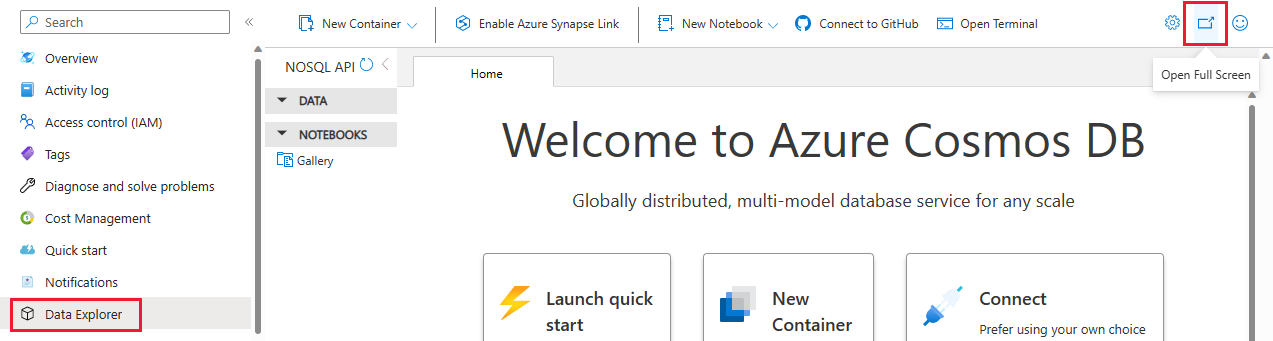
Azure Cosmos DB Data Explorer; representative of the Azure database portfolioView image at full size ↗
Azure DatabaseDifferent workloads.
A considered database choice.
Database selectionRelational & NoSQLMigration & operation

Azure Cosmos DB Data Explorer; representative of the Azure database portfolio Shown capabilities depend on licensing and configuration.

Selected client relationships

Trusted by businesses.
Across industries. Across borders.

Different businesses. Different ways of working. A shared need for technology that supports real operations.

Panaria Group
Panaria Group
Deep Industries Limited
Oswal Energies
Oswal Energies
Yoshika Engineering
Yoshika Engineering
Universal Biosensors
Baltic Control
Baltic Control
Artek Surfin Chemicals
Prakash Chemicals International
Devdhar Chemicals
Devdhar Chemicals
Selected organizations from our wider client community.Discuss your business requirements
Azure Database capabilities

More than one database.
More than one way to grow.

Azure Database here describes the database portfolio and our consulting services, not a single subscription. SQL Server-based applications, PostgreSQL, MySQL and document-oriented systems have different needs. We make those differences part of the decision.

01

Azure Database for PostgreSQL

Assess the managed PostgreSQL service for applications using that engine. Review supported versions, extensions and connection behavior, then test the workload before choosing compute, availability and maintenance settings.

02

Azure Database for MySQL

Consider the managed MySQL service for suitable web and business applications. Check engine versions, schema behavior and dependencies so a familiar database name does not hide a compatibility issue.

03

Azure SQL options

For SQL Server workloads, compare Azure SQL Database, SQL Managed Instance and SQL Server on Azure virtual machines. The dedicated Azure SQL page explains their different levels of compatibility and administrative responsibility.

04

Azure Cosmos DB

Assess a distributed, document-oriented approach when the application’s data and access patterns call for it. Partition design, consistency and request consumption require explicit decisions; it is not an automatic substitute for a relational system.

05

Workload & engine assessment

Start with transactions, relationships, queries and application constraints. Retaining the existing engine may be sensible; changing it should have a business reason and an allowance for application changes.

06

Availability & recovery design

Agree what interruption and data loss the application can accept. Select supported availability and backup options for the chosen service, and test restore and reconnection rather than relying only on a feature list.

07

Identity & network access

Design how applications and administrators connect. Separate operational access from development use and review credentials, private connectivity and audit requirements within the chosen service.

08

Performance & capacity

Use representative queries and peak demand to establish a baseline. Assess indexes, connections and application behavior before treating a larger service tier as the answer to every slowdown.

09

Lifecycle & cost ownership

Plan upgrades, maintenance, retention and capacity reviews with named owners. Keep database service charges, backups, networking and support visible in the cost model.

Choose the right scope.

Database services differ in SQL dialect, engine features, extensions, transaction behavior and scaling model. A managed service reduces some infrastructure work but does not take over application design, data quality, access decisions or all performance tuning.

Microsoft reference ↗
The Microsoft ecosystem

The right connections.
A more complete process.

Connect Azure Database to the applications your people rely on. Define the business handoff, data ownership and permissions before adding another integration.

Azure SQL

Azure SQL

The SQL Server-based database family. Assess it separately when application compatibility and instance-level features drive the decision.

Explore solution ↗
Azure Storage

Azure Storage

A complementary home for objects, files and selected data movement scenarios. Object storage does not replace a transactional database.

Explore solution ↗
Azure Monitor

Azure Monitor

Support observation and investigation with the selected service’s metrics and logs. Define useful alerts and database-specific response ownership.

Microsoft Fabric

Microsoft Fabric

Move or connect approved data to analytical workloads where suitable. Protect operational database performance and validate freshness and source support.

Explore solution ↗
Power BI

Power BI

Report through an agreed data access and modelling approach. Confirm whether direct querying or a separate reporting layer fits operational load.

Explore solution ↗
Microsoft Azure

Microsoft Azure

Provide application hosting, identity and networking around the database. Database acceptance must include the application that uses it.

Explore solution ↗

Connect with a purpose.

A database decision affects application code, integration, reporting and support. We involve those owners early and record the boundary between the operational store and any separate analytical copy.

Read the Microsoft reference ↗
Tripearltech Azure Database services

Practical expertise.
From the first decision onwards.

Tripearltech provides Azure Database consulting, implementation and support from Ahmedabad, India, for businesses worldwide. Each engagement starts with your operating needs and a clear division of responsibility.

01

Database portfolio assessment

Inventory engines, versions, application dependencies and business criticality. Identify suitable Azure targets and the reasons to retain or change an engine.

02

Target design & sizing

Use workload evidence to select service options, networking and availability. Document assumptions and test the configuration against realistic demand.

03

Database migration & validation

Choose a supported transfer method and rehearse it. Validate schema, counts, important business totals and application behavior before the final cutover.

04

Performance investigation

Review query patterns, indexes, connections and resource signals. Prioritize changes that address the actual bottleneck and remeasure the result.

05

Protection & recovery planning

Configure agreed access and recovery controls, then test them. Record recovery steps and the responsibilities of database and application owners.

06

Administration & support

Define maintenance, alert review, capacity and upgrade responsibilities. Agree which engines and environments are included in the ongoing engagement.

Designed around real work

Understand the challenge.
Connect the work that solves it.

The value of Azure Database depends on the process it improves. Explore common industry needs and the implementation decisions that help the solution fit.

01 / INDUSTRY APPLICATION

Software businesses

The challenge

Different applications use different engines, but hosting decisions follow one default.

The way forward

Assess each workload’s access patterns and dependencies. Standardize operational practices where useful without forcing every application into the same database engine.

02 / INDUSTRY APPLICATION

Retail & commerce

The challenge

Customer demand exposes query and connection bottlenecks.

The way forward

Measure realistic peak activity and separate database constraints from application behavior. Test indexing, connection management and appropriate service sizing.

03 / INDUSTRY APPLICATION

Manufacturing

The challenge

Operational systems depend on databases with aging versions or unclear support.

The way forward

Inventory vendor requirements and engine compatibility before planning the target. Agree maintenance windows and verify application operation after a rehearsal.

04 / INDUSTRY APPLICATION

Distribution

The challenge

Integrations and reports compete with order-processing queries.

The way forward

Map query demand and data handoffs. Assess a suitable reporting design and schedule so management visibility does not compromise operational transactions.

05 / INDUSTRY APPLICATION

Professional services

The challenge

Client applications hold information with different access and recovery requirements.

The way forward

Design access boundaries and recovery arrangements per application. Maintain a clear record of which team owns each database and its data.

06 / INDUSTRY APPLICATION

Growing digital platforms

The challenge

A rapidly changing data model raises questions about relational and document storage.

The way forward

Evaluate transactions, relationships and expected access patterns with developers. Prototype difficult queries and estimate usage before committing to a different model.

Azure Database delivery expertise

The right knowledge.
Applied to your business.

Explore the Microsoft credential references relevant to this solution and its supporting implementation disciplines.

Consulting meets delivery

Experience that connects technology and responsibility.

Database and cloud architecture disciplines support platform selection and operation. DP-300 is specifically a SQL database administration credential; it is not presented as certification in every Azure database engine.

Discuss your project team ↗
Microsoft credential referenceOfficial Microsoft Certified associate badgeExam DP-300

Azure Database Administrator Associate

SQL database administration · Not a general PostgreSQL or MySQL credential

View official credential ↗
Microsoft credential referenceOfficial Microsoft Certified expert badgeExam AZ-305

Azure Solutions Architect Expert

Expert credential · Azure Administrator Associate prerequisite

View official credential ↗

Official Microsoft credential references, checked September 2026. These badges identify certification disciplines, not individual employee records. Related and retired credentials are labeled. Ask us about the verified credentials and practical experience of the specialists proposed for your engagement.

TRIPEARLTECH / FIELD GUIDE
PLAN WITH CLARITY

Choose your
database foundation.

Before. During. Beyond go-live.01—05 ↗
Better preparation. Better decisions.

Your Azure Database project.
Better prepared.

Prepare a database assessment with the information that matters: engines, application dependencies, demand, access and recovery expectations.

Bring the right people and questions to your first implementation workshop.

  • Engine & application and business ownership
  • Workload & data and process decisions
  • Testing, launch readiness and ongoing support
Get it now Free PDF · 5 pages · No form required
Our Azure Database implementation approach

A clear path to launch.
With the business involved.

Our Azure Database delivery approach makes design decisions, acceptance and readiness visible. The people who own the process stay involved from discovery through support.

01

Inventory

Understand engines, applications and operational constraints.

An owned database inventory.
02

Compare

Evaluate compatible targets and their management responsibilities.

A documented target decision.
03

Pilot

Test representative data, queries and application connections.

Compatibility and performance evidence.
04

Transition

Rehearse and execute the approved migration with business checks.

Accepted data and application operation.
05

Maintain

Review health, upgrades, recovery and consumption.

A database operating plan and named owners.
Visible control throughout deliveryBusiness ownershipDocumented decisionsChange controlRisk & quality reviews
Azure Database, explained

Good questions.
Clearer decisions.

Understand the solution, its boundaries and how Tripearltech can support your implementation.

Let’s talk about your business ↗
Is Azure Database one product?

No. This page covers Azure database options and Tripearltech’s related services. The exact product is selected according to the application engine, data model and operating needs.

How is this different from Azure SQL?

Azure SQL is the SQL Server-based family. The wider Azure database portfolio also includes services for PostgreSQL, MySQL and other data models, each with different behavior and compatibility.

Which database should our application use?

Start with the current engine, transactions, relationships and access patterns. We compare suitable services and test important queries before recommending an engine or deployment model.

Can an existing PostgreSQL or MySQL database move to Azure?

Potentially, using a supported path for the engine and version. Review extensions, authentication, application connections and migration limitations before committing to a cutover.

When should we consider Cosmos DB?

Consider it when the application’s document model, distribution and access requirements fit. Partitioning, consistency and consumption need careful design; it is not a drop-in relational replacement.

Does managed mean no administration?

No. Microsoft manages defined platform responsibilities, while your team still owns data, application behavior, access and relevant configuration. The remaining responsibilities should be explicit.

Will a larger database tier solve slow queries?

Sometimes capacity is the constraint, but query design, indexes, locks or connections may be responsible. Investigate first and compare results after the change.

Can we keep reporting separate from transactions?

Yes, where a supported architecture fits. A separate analytical layer can reduce competing demand, but introduces data movement, freshness and reconciliation decisions.

What must we test before migration?

Test engine compatibility, application behavior, performance, access and recovery. Validate critical business totals and difficult scenarios as well as successful connections.

What does Tripearltech provide?

We can assess options, design the target, migrate, investigate performance, prepare recovery and support operations. The proposal specifies engines, environments and responsibilities in scope.


Product references · reviewed September 2026

Azure database portfolio ↗ · PostgreSQL overview ↗ · MySQL overview ↗ · Cosmos DB overview ↗

  1. 1Your details
  2. 2Date & time
  3. 3Review
STEP 01 / 03

First, a quick introduction.

A few details to help us prepare for your conversation.

Your details stay on this page in this design preview.

* Required details